


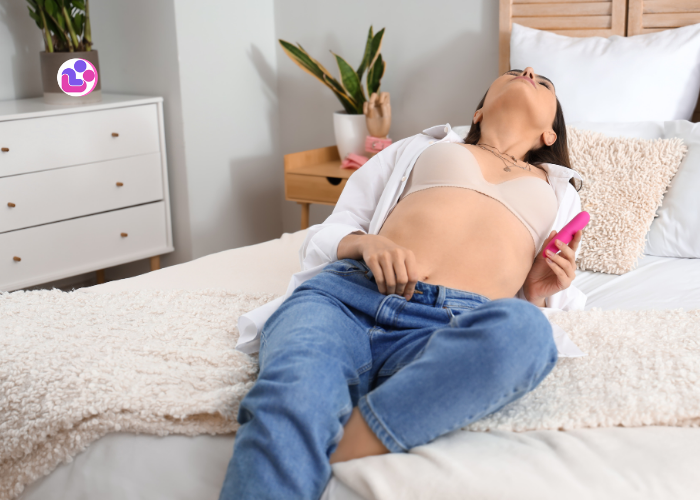
In most parts of the world, conversations around female sexuality remain surrounded by stigma and discomfort. While male masturbation is often joked about, normalized, or even encouraged as a natural part of adolescence, women’s solo play continues to be viewed as shameful, secretive, and in many societies, completely unacceptable. This double standard is not only unfair—it can have long-term effects on women’s sexual wellness, mental health, and self-confidence.
The taboo surrounding women and masturbation is rooted in centuries of cultural conditioning, religious restrictions, and social norms that prioritize male pleasure while policing female desire. But as conversations about sexual health grow louder, it is crucial to challenge these outdated views and normalize the idea that women have the right to explore and enjoy their own bodies.
This article takes a deep dive into why female masturbation is still taboo, the misconceptions surrounding it, the proven benefits of self-pleasure, and why breaking this silence is necessary for healthier, happier lives.
The Roots of the Taboo
1. Cultural and Religious Conditioning
Across different cultures, women have long been taught to associate modesty and purity with virtue. Many traditional societies framed female sexuality as something meant only for reproduction and within marriage. Religious texts and teachings often reinforced this, portraying masturbation as sinful or immoral. While interpretations differ, these ideas created a deep-rooted silence around women’s sexual autonomy.

2. The Male-Centered Lens of Sexuality
For centuries, medicine and society focused primarily on male pleasure and function. The clitoris—arguably the most important organ for female sexual pleasure—was barely studied until the late 20th century. As a result, women’s desires and needs were overlooked, and masturbation was seen as unnecessary since female pleasure was not considered a priority.
3. Shame and Social Pressure
From adolescence, many young women are discouraged from exploring their bodies. If they attempt to discuss or ask questions about masturbation, they are often met with silence, disapproval, or ridicule. This early conditioning creates a cycle of guilt and secrecy that often continues into adulthood.
Common Myths About Women and Masturbation
- “Good women don’t touch themselves.”
This myth suggests that masturbation is dirty, immoral, or something only men do. In reality, studies show that most women engage in solo play at some point in their lives. - “Masturbation is harmful for health.”
There is no scientific evidence to support this. On the contrary, masturbation is associated with stress relief, better sleep, and improved mental well-being. - “Masturbation means you’re unsatisfied in your relationship.”
False. Masturbation and partnered sex are not replacements for one another—they complement each other. Many women in happy relationships masturbate to explore their own pleasure. - “It reduces fertility or damages reproductive organs.”
Masturbation does not affect fertility or harm reproductive health. In fact, it may increase awareness of one’s own body, which can help during intimacy or when planning pregnancy.

Durex Play Vibrating Ring
Ring for extra pleasure for women | Compatible with condoms & lubes
INTENSE VIBE RING: Play Vibrations provides up to 20 minutes of exhilarating sensations to give pure, pulsating pleasure for her and for him
Why Women Masturbate: Beyond Pleasure
While physical pleasure is the most obvious reason, women engage in solo play for several other benefits:
- Stress Relief: Orgasms release endorphins, dopamine, and oxytocin—natural chemicals that reduce stress and promote relaxation.
- Better Sleep: Post-orgasm relaxation can help women fall asleep faster.
- Pain Relief: Masturbation can ease menstrual cramps and headaches by increasing blood flow and releasing muscle tension.
- Self-Knowledge: Masturbation allows women to understand what feels good for them, which can improve sexual communication with partners.
- Boosting Confidence: Exploring one’s body without shame helps break the cycle of guilt and empowers women to embrace their sexuality.

Why It’s Still Taboo Today
Despite the obvious benefits, female masturbation is still far less openly discussed than male masturbation. Some key reasons include:
- Patriarchal Standards: Women are often expected to remain passive in sexual matters, while men are expected to be active.
- Media Representation: Mainstream media still rarely portrays women enjoying solo play. When it does, it is often fetishized or framed negatively.
- Education Gap: Many sex education programs either skip masturbation entirely or discuss it only in relation to men.
- Fear of Female Autonomy: Masturbation symbolizes sexual independence. A woman who knows how to satisfy herself challenges traditional power dynamics in relationships.
Breaking the Silence: The Way Forward
To dismantle the taboo, we must:
- Promote Comprehensive Sex Education that includes female anatomy, clitoral function, and the normalcy of masturbation.
- Encourage Open Conversations in families, schools, and healthcare settings to normalize the subject.
- Challenge Media Representation by supporting shows, books, and platforms that portray women’s pleasure authentically.
- Empower Women to Explore Safely, whether through self-exploration or with tools like vibrators, without shame.
Ultimately, the goal is to create a society where women feel just as entitled to explore, understand, and enjoy their bodies as men do.
FAQs About Women and Masturbation
1. Is female masturbation normal?
Yes. Masturbation is a natural, healthy way for women to explore their bodies, relieve stress, and experience pleasure.
2. At what age do women usually start masturbating?
It varies. Some girls may begin exploring during adolescence, while others discover it later. There is no “right” age—it’s entirely individual.
3. Can masturbation affect my fertility?
No. Masturbation has no negative effect on fertility or reproductive health.
4. Is it okay to use sex toys for solo play?
Absolutely. Sex toys are safe when used properly and can enhance pleasure.
5. Can masturbation replace sex with a partner?
No. Masturbation is a form of self-exploration, while partnered sex involves intimacy and connection. Both can coexist and enrich one’s sexual life.
6. Does frequent masturbation cause health problems?
No. Masturbation only becomes a concern if it interferes with daily responsibilities or relationships, which is rare.
Conclusion
The stigma around women and masturbation is slowly dissolving, but it still exists in many cultures and communities. Breaking this silence is essential—not only to promote sexual wellness but also to challenge harmful double standards that limit women’s autonomy.
Masturbation is not shameful. It is a healthy, empowering, and entirely natural part of human sexuality. By encouraging open conversations, normalizing female pleasure, and dismantling outdated myths, we can move toward a future where no woman feels guilty for exploring her own body.
Content
Read Community Guidelines