



Testosterone is the hormone most commonly associated with male identity, muscle, sex drive, and energy. Because of its outsized reputation, myths and misconceptions spread quickly — through locker-room talk, social media, and sometimes even well-meaning health articles. That confusion can cause men to chase unnecessary supplements, worry about normal changes with age, or ignore real medical issues. This guide separates fact from fiction so you can make calmer, safer decisions about your health.
More Read

What Testosterone Actually Does
Testosterone is an essential hormone produced primarily in the testes (and in small amounts by the adrenal glands). It influences:
- Sexual development and libido
- Muscle mass and strength
- Bone density
- Fat distribution
- Mood, energy, and cognitive function
- Red blood cell production
Normal testosterone levels vary widely between individuals and across life stages. “Low T” is sometimes a medical condition, but many perceived problems come from lifestyle, stress, or other illnesses — not just hormone levels.

Common Myths (explained in more depth below)
- Low testosterone is the only cause of low libido.
- Testosterone therapy will instantly restore youth, muscle, and confidence.
- Supplements and “natural boosters” always raise testosterone safely.
- Only older men get low testosterone.
- High testosterone always equals aggression and risky behavior.
- Testosterone shots are the only effective treatment.
Now let’s debunk these myths one by one.

Common Testosterone Myths Debunked
Low T Is the Only Cause of Low Libido
Libido depends on more than hormones — stress, sleep, mood, medications, and relationships all play a role. Testosterone can contribute but is rarely the sole reason.
Fact: Libido is multifactorialTRT = Instant Fountain of Youth
Testosterone therapy helps some symptoms when clinically low, but it’s not a magic cure for aging or energy. Benefits vary and must be monitored by a doctor.
Fact: Needs medical oversightSupplements Always Work and Are Safe
Most “T boosters” lack strong scientific proof and may carry risks. Lifestyle changes like exercise and sleep are safer and more effective for long-term results.
Fact: Evidence is limitedOnly Older Men Get Low T
Younger men can have low testosterone too, caused by obesity, illness, medications, or hormonal conditions. It’s not just an age-related issue.
Fact: Can affect any ageHigh T Always Equals Aggression
Hormones interact with environment and personality. High testosterone doesn’t automatically lead to violence or aggression.
Fact: Context mattersInjections Are the Only Treatment
Testosterone therapy comes in many forms: gels, patches, injections, and pellets. Each has pros and cons depending on your lifestyle and health.
Fact: Multiple safe options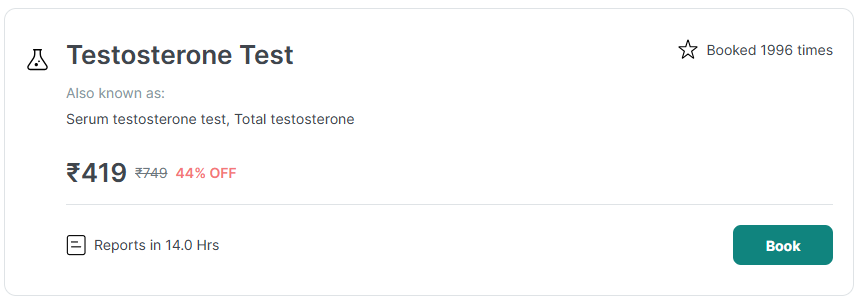
When to See a Doctor
Seek medical advice if you have persistent symptoms such as:
- Long-term low libido
- Unexplained fatigue or cognitive changes
- Loss of muscle mass or strength despite training
- Decreased bone density or frequent fractures
- Erectile dysfunction (which may have multiple causes)
Getting accurate blood tests (morning testosterone levels, repeated if needed) and a full health review is crucial. Don’t self-prescribe hormonal therapies.

Safety Considerations and Side Effects of TRT
Potential risks of testosterone treatment may include:
- Increased hematocrit (thicker blood) — risk of clotting
- Acne and oily skin
- Testicular shrinkage and reduced sperm production (important for men wanting fertility)
- Possible effects on prostate health — needs monitoring
- Mood shifts for some men
A responsible clinician will monitor blood counts, lipids, PSA, and evaluate benefits vs risks regularly.
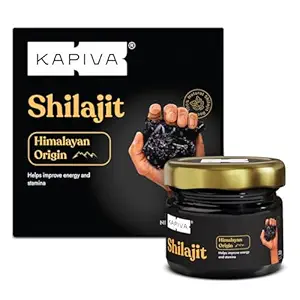
Kapiva Pure Himalayan Shilajit for Men
Resin 20g | 250mg/Serving | Energy, Stamina & Vitality Booster | 80 Servings | 100% Ayurvedic
FAQs About Testosterone
Q1: What is a “normal” testosterone level?
A: Labs vary. Typical adult male ranges are often ~300–1,000 ng/dL, but clinical context matters. Use symptoms plus tests — not numbers alone.
Q2: Can lifestyle change my testosterone?
A: Yes. Regular resistance training, adequate sleep (7–9 hours), healthy body weight, limiting alcohol, and stress management can all improve levels modestly.
Q3: Will TRT affect fertility?
A: Yes — TRT can suppress sperm production. Men who want to preserve fertility should discuss alternatives (like selective medications or fertility-sparing approaches) with a specialist.
Q4: Are natural boosters like ashwagandha effective?
A: Some small studies show modest effects for certain supplements, but evidence is inconsistent. Consider them adjunctive, not primary therapy.
Q5: Does testosterone cause heart disease?
A: The link is complex and debated. Some studies show no increase in cardiovascular risk when TRT is used appropriately and monitored; others suggest caution. Individual risk factors should guide decisions.
Conclusion
Testosterone deserves respect — it’s an important hormone with real effects on health and quality of life. But misconceptions lead many men to overreact or pursue unnecessary treatments. The right approach is balanced: focus first on healthy lifestyle changes, get a careful medical evaluation when symptoms persist, and if therapy is started, undergo appropriate monitoring. In short: don’t panic over numbers, prioritize evidence and safety, and treat testosterone as one piece of your overall health puzzle.
Content
Read Community Guidelines