


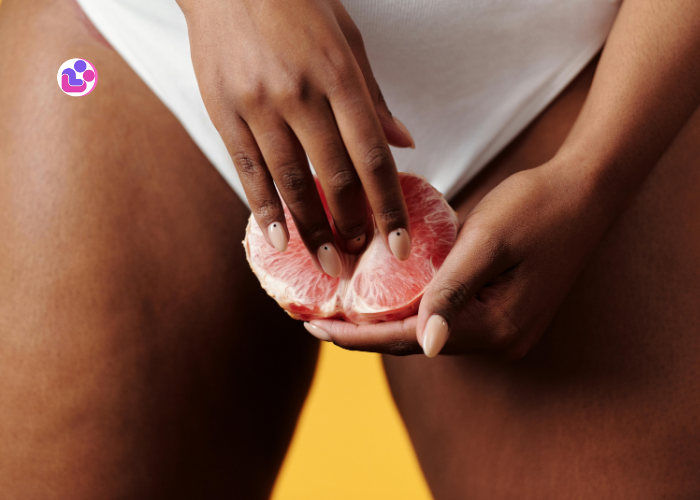
The clitoris remains one of the least understood parts of human anatomy despite being central to female sexual pleasure. Misconceptions have prevailed for centuries, perpetuated by outdated education, cultural taboos, and a lack of medical research. Even in 2025, despite progress in sexual health discourse and science, clitoral myths are surprisingly common, affecting relationships, medical practices, and personal wellbeing.
Anatomy: Beyond the “Button”
Most people imagine the clitoris as a tiny “button” situated at the top of the vulva, visible only as a small nub under the clitoral hood. In reality, this is just the tip—literally—of a much larger and intricate structure. The visible glans is comparable to the head of the penis, but internally, the clitoris extends up to 8–10 cm into the pelvis. This includes the clitoral body, crura (wishbone-shaped legs wrapping around the vaginal canal), and bulbs.
A single organ, the clitoris, contains over 10,000 nerve endings, making it more sensitive than most other bodily regions. Its primary function is pleasure—no other biological purpose has been confirmed for the clitoris.
Why Myths Persist
The invisibility of much of the clitoris, historical neglect in medical literature, and cultural taboos on discussing female sexual pleasure have all combined to fuel ongoing myths. Globally, scientific research on the penis far outweighs that on the clitoris: there are over 50,000 research articles about penises and barely 2,000 on clitorises, despite half the world’s population having one.

Many myths originate from outdated medical texts or popular culture and are reinforced when sexual education skips over or misrepresents the clitoris.
Clitoral Myths and Facts
Below is a table summarizing the most common myths, proven facts, and brief explanations:
Fact: It’s a complex internal organ.
The visible tip (glans) is less than 10% of its size. The clitoris has legs (crura) and bulbs extending 7–10 cm inside the pelvis, wrapping around the vagina and urethra. It functions like the penis in terms of erectile tissue.
Fact: Most of its structure is internal.
The clitoris has a wishbone-shaped internal structure with bulbs and crura that swell with blood during arousal. This explains why penetration can stimulate clitoral tissue indirectly.
Fact: Most orgasms involve the clitoris.
What people call “vaginal orgasms” are usually caused by stimulation of the internal clitoral network. Scientific studies show the clitoris is central to nearly all female orgasms.
Fact: Preferences vary greatly.
Some prefer light touch, others firm pressure, vibration, or oral stimulation. What works differs from person to person, so communication with a partner is key.
Fact: It is almost always needed for orgasm.
Research shows 80–95% of women need clitoral stimulation to reach orgasm. Penetration alone rarely causes climax without it.
Fact: The clitoris never disappears.
It doesn’t shrink away if not used. Sensitivity may change with hormones, especially after menopause, but it remains present and functional for life.
Fact: It has over 10,000 nerve endings.
Earlier estimates of 8,000 were too low. Newer studies reveal an even higher density, making it one of the most sensitive organs in the human body.
Fact: It’s vital to sexual wellness.
The clitoris is the main pleasure center. Ignoring it often leads to unsatisfying sexual experiences and reinforces harmful myths about female sexuality.
Fact: It’s easy to find with knowledge.
The clitoral glans is located where the inner labia meet, under the clitoral hood at the top of the vulva. With basic anatomy awareness, it’s not difficult to locate.
Fact: Surgery can have medical benefits.
Clitoral hood reduction may help with comfort, hygiene, and improved sensitivity for some women. It’s not just cosmetic if medically indicated.
Fact: Recovery is usually straightforward.
Most women return to daily activities within a few days after clitoral hood surgery. With proper care, recovery is typically smooth and low-risk.
Social and Sexual Implications
Myths around the clitoris impact relationships and sexual satisfaction across all cultures. Lack of proper sexual education leads many to believe pleasure is vaginal or that clitoral stimulation is unimportant. Culturally, jokes about “not being able to find the clitoris” persist, even though locating it anatomically is straightforward.
Communication about sexual preferences, anatomy, and pleasure is crucial. When both partners understand the role and sensitivity of the clitoris, sexual satisfaction generally improves. Notably, research shows most women do not reach orgasm through penetration alone, requiring direct or indirect clitoral involvement.
Medical Neglect and the Knowledge Gap
The scientific and medical communities were historically slow to investigate clitoral anatomy. Not until the late 1990s, thanks to researchers like Helen O’Connell, was the true internal structure mapped. Today, ongoing stigma means that sexual health professionals may still overlook vital aspects of clitoral health — a problem that affects diagnosis, treatment, and education worldwide.
Tips for Healthy Clitoral Pleasure
- Explore gently: Soft touch, vibration, and oral stimulation are often preferred. Every person’s preferences are unique — communication matters.
- Stay informed: Seek scientifically accurate resources on sexual health.
- Care for your health: Routine check-ups can address hormonal changes affecting clitoral sensitivity, especially after menopause.
- Consult experts: Sex therapists and medical professionals can help resolve persistent sexual discomfort or dissatisfaction.
FAQs
Q1: Is it normal to feel embarrassed talking about the clitoris?
Yes, many people feel embarrassment due to cultural taboos, but open conversation is key to sexual wellness and satisfaction.
Q2: Can all women climax from penetration alone?
No, most require clitoral stimulation, even during vaginal sex. The vagina has fewer nerve endings than the clitoris.
Q3: Can clitoral stimulation hurt?
For some, direct stimulation can be uncomfortable. Preferences vary widely, so gentle exploration and communication are best.
Q4: Does the clitoris shrink or “go away” if not used?
No, but hormonal factors like menopause can reduce its size and sensitivity, which may be addressed through medical support.
Q5: Is clitoral pleasure essential to overall sexual health?
Yes; ignoring clitoral pleasure can result in sexual dissatisfaction and misunderstandings about female anatomy.nytimes+1
This Article aims to debunk persistent myths, empower individuals to understand their bodies, and promote open, healthy dialogue about sexual pleasure. As society grows more aware of sexual health, the clitoris—at last—receives the attention it rightly deserves.
Content
Read Community Guidelines