


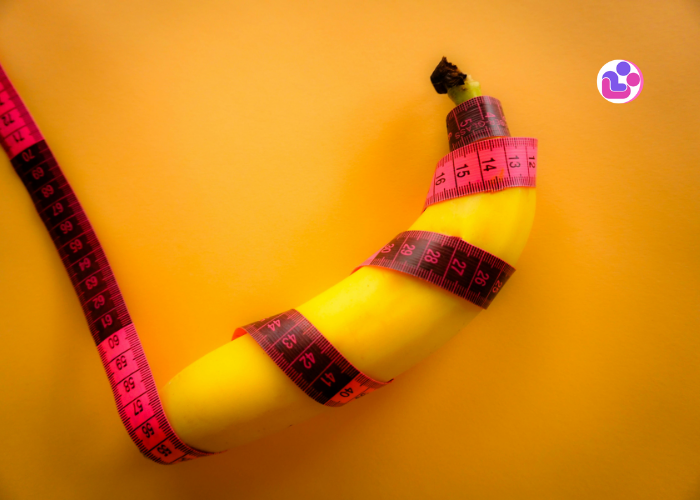
For decades, the question “Does size really matter?” has stirred curiosity, anxiety, and debate across cultures. From locker room banter to intimate conversations, penis size is often viewed as a marker of masculinity and sexual prowess. But what does scientific research actually say, and how does psychology shape our perceptions about its importance?
Science: What Is the Average Size?
Extensive meta-analyses of tens of thousands of men worldwide have established clear averages for penis length and girth. Medical studies—those conducted by professionals with precise measurements—are far more reliable than self-reported numbers.
- The globally averaged erect penis length is approximately 13-14 cm (5.1-5.5 inches).
- Flaccid (non-erect) length averages around 9 cm (3.5 inches).
- Erect circumference is generally 11.5-12 cm (4.5-4.8 inches).
- Very few men fall outside these ranges; less than 5% have notably longer or shorter anatomies.
Geographically, there are small differences, but all within similar ranges, and there is no clinical evidence that bigger sizes are meaningfully associated with greater sexual enjoyment or reproductive function.
Psychology: Belief vs. Reality
Despite established scientific averages, most people—both men and women—overestimate average penis size, with media and pornography contributing to unrealistic expectations. Anxiety about size can lead to body dysmorphia, self-esteem challenges, and relationship insecurity for many men. Does Size Really Matter

Key psychological insights include:
- Body image anxiety: Men with average-sized penises often worry about being “too small” due to unrealistic portrayals in media and pornography.
- Social comparison: Portrayals in porn skew perceptions toward believing larger is always better.
- Female perspective: Research shows women typically care more about factors like sexual connection, intimacy, and technique rather than size alone.
Does It Affect Sexual Satisfaction?
Science consistently finds that penis size has little, if any, impact on partners’ satisfaction or ability to achieve sexual pleasure. Several studies indicate:
- Technique, emotional connection, and communication matter far more than anatomical size for both men and women.
- For the majority of women, vaginal sensitivity is concentrated within the first two inches of the vagina—well within the scope of average size.
- Relationship satisfaction is most strongly linked to trust, empathy, and sexual compatibility—not physical dimensions.

When Do Size Concerns Warrant Attention?
Certain medical conditions, such as micropenis (less than 7 cm erect) or buried penis, may require clinical evaluation due to potential reproductive or emotional impacts. If body image issues interfere with confidence, intimacy, or cause distress, psychological support, counseling, or medical consultation may help.
Trends and Modern Findings
Recent research shows average erect penis length may have increased slightly over decades, potentially due to earlier puberty and body size changes. However, the psychological implications—especially fueled by digital media—thrive more on myth than fact.
FAQs Section
1. Is my size normal?
Most men fall within the established scientific averages: 13-14 cm erect length and 11.5-12 cm erect circumference. Sizes well outside this range are rare and generally only clinically relevant if causing functional or emotional difficulty.
2. Do partners care about size?
Research shows that sexual satisfaction is based far more on communication, foreplay, connection, and technique. Most women express that size is low on their list of priorities compared with emotional and physical chemistry.
3. Why do I feel anxious about size?
Media, social comparison, and misinformation often create unrealistic standards. This anxiety is common regardless of actual size and unrelated to genuine intimacy or satisfaction.
4. Can a small or large size be a medical issue?
In rare cases such as micropenis or buried penis, medical consultation may be needed for reproductive or emotional support. For almost all men, size is within a normal range and not a health risk.
5. Does penis size impact sexual pleasure?
No. Scientific studies confirm that mutual satisfaction and pleasure derive mainly from factors like emotional connection and sexual technique, not size.
6. Is there any way to increase penis size?
Most non-surgical methods, such as devices or supplements, lack strong scientific support. Surgical options carry risks and are typically reserved for genuine medical conditions. If concerned, consult a qualified healthcare professional.
Conclusion
Science and psychology align: size rarely matters as much as people believe. Emotional connection, communication, and confidence are the biggest factors for relationship and sexual satisfaction—not anatomy. Knowing the facts can alleviate anxiety and help build healthier self-esteem and intimacy.
[18+]
Content
Read Community Guidelines