



Female sexual desire is often portrayed as unpredictable or mysterious. But science shows that much of this fluctuation is linked to hormones that rise and fall throughout the menstrual cycle. Unlike men, whose testosterone levels remain relatively stable on a daily basis, women experience dynamic hormonal changes every month that influence not just fertility but also mood, energy, and sexual interest.
Understanding these hormonal shifts is empowering. It allows women to recognize that dips and spikes in desire are natural—not signs of dysfunction. It also helps couples cultivate patience, intimacy, and timing when it comes to sexual connection.
Let’s break down how hormones influence female desire throughout the month.
The Hormonal Orchestra of Desire in menstrual cycle
Three main hormones play a major role in shaping female libido:

- Estrogen – Enhances sensitivity, lubrication, and blood flow to the genitals. It tends to boost desire, especially before ovulation.
- Progesterone – Dominant after ovulation, it often has a calming or even dampening effect on sexual arousal.
- Testosterone – Present in smaller amounts in women, but still vital for libido, energy, and fantasies.
These hormones interact with neurotransmitters like dopamine and serotonin, creating a complex but predictable rhythm of desire.
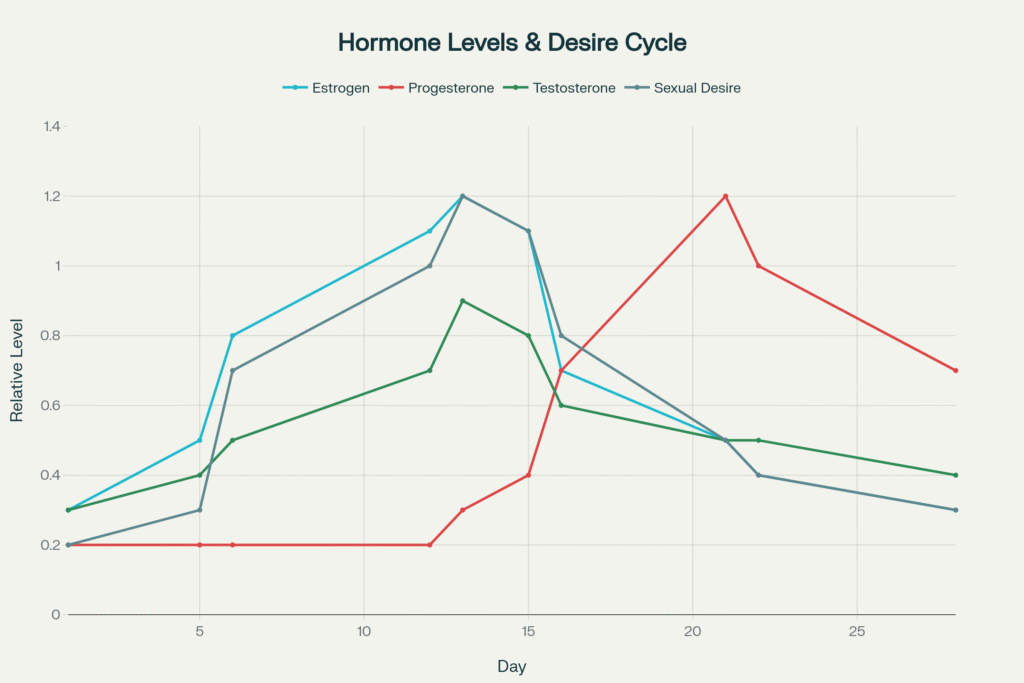
The Four Phases of the Menstrual Cycle and Desire
1. Menstrual Phase (Day 1–5)
- Hormones: Estrogen and progesterone are at their lowest.
- Impact on Desire: Many women feel fatigued, bloated, or moody, which can reduce interest in sex. However, some report heightened sensitivity due to increased pelvic blood flow.
- Psychological Factors: For some, the release of tension after PMS can bring relief and openness to intimacy. Others may prefer rest and self-care.
2. Follicular Phase (Day 6–13)
- Hormones: Estrogen begins to rise steadily. Testosterone also sees a gradual increase.
- Impact on Desire: Energy levels improve, mood lifts, and vaginal lubrication increases. Women often report feeling more playful, adventurous, and confident in this phase.
- Biological Drive: The body is preparing for ovulation, so it makes sense from an evolutionary perspective that desire begins to build here.
3. Ovulatory Phase (Day 14–16)
- Hormones: Estrogen peaks, luteinizing hormone surges, and testosterone reaches its monthly high.
- Impact on Desire: This is typically the peak of female libido. Women may experience stronger fantasies, more frequent arousal, and an increased interest in sex.
- Behavioral Changes: Studies show women may dress more attractively, feel more confident socially, and show subtle body language cues of flirtation.
- Evolutionary Psychology: The body is at its most fertile—making this surge in desire biologically strategic.
4. Luteal Phase (Day 17–28)
- Hormones: Progesterone rises sharply, while estrogen drops after ovulation.
- Impact on Desire: Libido often decreases. Some women experience PMS symptoms like irritability, fatigue, and bloating, further dampening arousal.
- However: In the early luteal phase (right after ovulation), some women still report high desire due to residual testosterone. Toward the late luteal phase, libido usually dips significantly.
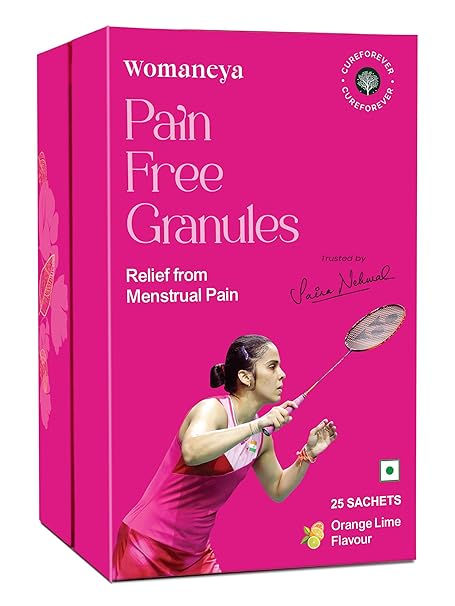
CUREFOREVER Womaneya Pain Free Granules
7 Sachets for Period Cramp Relief, Powerful Formula with Natural Ingredients for Relief from Menstrual Pain | 1 Sachet equals to 12 hours of Period Cramp Comfort
Beyond Hormones: The Bigger Picture of Menstrual cycle
While hormones have a powerful influence, they don’t act in isolation. Other factors shape female desire, including:
- Psychological Well-being: Stress, anxiety, and depression can suppress libido regardless of hormonal levels.
- Relationship Dynamics: Emotional connection, trust, and communication can either amplify or diminish desire.
- Lifestyle Choices: Sleep, diet, and exercise also affect hormonal balance and sexual energy.
Tips to Embrace Your Natural Rhythms
- Track Your Cycle: Use apps or journals to map libido changes alongside hormonal phases.
- Communicate with Partners: Let partners know when you feel more energized and when you need rest.
- Optimize Intimacy: Plan romantic moments or playful encounters during high-desire phases like ovulation.
- Self-Care in Low Phases: During PMS or menstruation, focus on relaxation, massage, or non-sexual intimacy if sex feels less appealing.
- Seek Balance: If libido remains consistently low, consult a healthcare professional to rule out hormonal imbalances, thyroid issues, or other conditions.
Common Myths About Hormones and Female Desire
- Myth 1: Women’s libido is random.
Truth: It often follows predictable hormonal patterns. - Myth 2: Desire disappears completely during menstruation.
Truth: While lower for many, some women report stronger sensitivity and arousal during their period. - Myth 3: Testosterone doesn’t matter for women.
Truth: Even in small amounts, it plays a big role in sexual motivation and fantasies.
Conclusion
Female sexual desire is deeply intertwined with the hormonal ebb and flow of the menstrual cycle. Estrogen, progesterone, and testosterone create a rhythm that influences when desire peaks, dips, or transforms. By understanding this cycle, women can feel more in tune with their bodies, and couples can align intimacy with these natural rhythms instead of feeling confused or pressured.
Normalizing these patterns also challenges the stigma that women’s desire is “mysterious” or “inconsistent.” Instead, it’s beautifully cyclical, just like the rhythms of life itself.
FAQs
1. Why does female desire peak around ovulation?
Because estrogen and testosterone are highest, boosting sensitivity, arousal, and motivation. Evolutionarily, this aligns with peak fertility.
2. Can women still feel desire during menstruation?
Yes. While many feel fatigued, some experience increased sensitivity and intimacy cravings during their period.
3. How does progesterone affect libido?
Progesterone has a calming effect but can also dampen arousal, often contributing to low libido in the luteal phase.
4. Do birth control pills change this cycle of desire?
Yes. Hormonal contraceptives can flatten natural peaks and valleys, sometimes reducing overall libido in women.
5. What if my libido feels consistently low?
While hormones play a role, chronic low desire could signal stress, relationship issues, or medical conditions. Consulting a healthcare provider is recommended.
Content
Read Community Guidelines