



Relationships are one of the most important aspects of human life. A healthy partnership not only brings happiness but also supports mental well-being, growth, and long-term stability. But in the middle of everyday challenges—work stress, financial pressure, family commitments—it can be difficult to know if your relationship is truly thriving or showing warning signs.
In this guide, we’ll walk through clear signs of a healthy relationship and the red flags you shouldn’t ignore. Understanding both sides will help you nurture love while protecting yourself from unhealthy patterns.

Why Relationship Health Matters
A strong relationship influences every area of life. Research shows that people in supportive partnerships experience:
- Better emotional regulation
- Higher confidence and self-worth
- Reduced stress levels
- Longer life expectancy
- Greater resilience during challenges
On the other hand, a toxic or unbalanced relationship can drain energy, impact productivity, and cause long-term emotional damage. Knowing what to look for is the first step to making better choices in love.

Signs Your Relationship is Healthy
Here are the green flags that show your bond is solid and worth investing in:
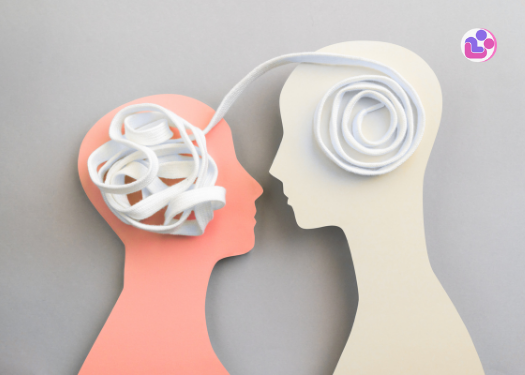
1. Open and Honest Communication
Healthy couples talk freely—whether it’s about future plans, finances, boundaries, or personal struggles. You feel safe sharing your thoughts without fear of judgment or conflict escalation.
2. Mutual Respect
Respect means valuing each other’s opinions, dreams, and individuality. You don’t have to agree on everything, but you honor differences without belittling or dismissing.
3. Trust Without Constant Proof
A thriving relationship is built on trust. You don’t feel the need to constantly check phones, question every outing, or demand proof of loyalty.
4. Shared Responsibilities
Whether it’s paying bills, doing chores, or supporting each other emotionally, healthy couples divide responsibilities fairly. No one feels overburdened or taken for granted.
5. Emotional Support in Tough Times
Life isn’t always smooth. In a healthy partnership, your partner stands beside you during challenges instead of leaving you to carry the weight alone.
6. Balanced Independence
Healthy couples spend quality time together but also respect the need for personal space, hobbies, or friendships. Independence strengthens connection rather than weakening it.
7. Constructive Conflict Resolution
Disagreements happen in every relationship, but what matters is how you handle them. Do you listen calmly, seek compromise, and avoid insults? That’s a healthy sign.
8. Shared Goals and Values
From family planning to financial priorities, alignment in core values ensures long-term stability. Even if small interests differ, big-picture goals are in sync.
9. Physical and Emotional Intimacy
Healthy intimacy isn’t only about physical closeness but also emotional bonding—holding hands, listening deeply, and showing affection in daily life.
10. Growth Together, Not Apart
In a strong partnership, both people inspire each other to grow personally and professionally, rather than holding each other back.
When to Worry: Red Flags in Relationships
While no relationship is perfect, there are patterns that signal deeper issues. Ignoring these signs can lead to unhappiness or even harm.
1. Constant Criticism and Put-Downs
If your partner often belittles, mocks, or criticizes you, it chips away at self-esteem and creates emotional scars.
2. Lack of Trust
Excessive suspicion, jealousy, or secret-keeping is a major red flag. Trust issues, if unresolved, often turn into toxic control or manipulation.
3. One-Sided Effort
If only one person is making sacrifices, putting in effort, or carrying the relationship forward, imbalance will eventually create resentment.
4. Avoidance of Conflict
Healthy couples face problems; unhealthy ones sweep them under the rug. If issues are constantly avoided, they often resurface bigger than before.
5. Excessive Control
A partner dictating what you wear, who you meet, or how you live is a red flag for unhealthy dominance and loss of autonomy.
6. Emotional Neglect
Feeling lonely even while in a relationship is a sign of emotional disconnection. A healthy partner notices your needs and responds with care.
7. Physical or Verbal Aggression
Any form of violence—shouting, threats, hitting, or manipulation—is never acceptable. This is a clear sign to reconsider your safety and well-being.
8. Unresolved Resentment
If past mistakes or conflicts are constantly brought up, it prevents healing and creates an endless cycle of bitterness.
9. No Future Vision Together
If conversations about the future make one of you uncomfortable or disinterested, it may mean the relationship lacks long-term potential.
10. Feeling Drained Instead of Energized
A relationship should feel like a safe space, not a battlefield. If you consistently feel anxious, stressed, or unappreciated, it’s a warning sign.
Balancing Self-Reflection and Partnership
It’s important to remember that no couple is perfect. Healthy relationships still face disagreements, stress, and growth pains. What matters most is the willingness of both partners to:
- Listen actively
- Apologize when wrong
- Make changes when needed
- Show appreciation regularly
- Keep love and respect at the center
If challenges arise, seeking counseling or relationship coaching can provide tools to rebuild and strengthen the bond.
Practical Tips for Building a Healthy Relationship
- Practice gratitude daily – thank your partner for small things.
- Schedule quality time – even 30 minutes daily builds connection.
- Set boundaries clearly – respect each other’s limits and comfort zones.
- Celebrate individuality – encourage personal growth alongside togetherness.
- Address problems early – don’t wait until issues become unmanageable.
- Prioritize kindness – small acts of love go a long way.
When It’s Time to Walk Away
If red flags persist despite honest efforts, counseling, or open communication, it may be healthier to end the relationship than to stay stuck. Choosing yourself is not selfish—it’s self-preservation.
Remember: A relationship should enhance your life, not diminish it.
Buy Relationship Products Buy Now
Final Thoughts
A healthy relationship isn’t about perfection—it’s about balance, respect, and consistent effort. By recognizing the signs of strength and being aware of warning signals, you empower yourself to make choices that protect your happiness and future.
At the end of the day, love should feel safe, supportive, and inspiring. If it doesn’t, it’s time to reflect, reset, and choose the path that honors your well-being.
Content
Read Community Guidelines