



Desire is one of the most fascinating aspects of human experience. Yet, when it comes to understanding how women feel lust and love, society has often relied on stereotypes or oversimplified narratives. Men are frequently portrayed as being driven by lust, while women are assumed to desire love and emotional connection more than physical intimacy.
But the reality is far more nuanced. Women, like men, experience both lust and love, but their desires often manifest in unique ways influenced by biology, psychology, and cultural expectations. Understanding these differences doesn’t just enrich personal relationships—it also helps challenge outdated gender myths.
This article dives deep into how women experience lust and love differently than men, what science says about desire, and why emotional connection and sexual attraction aren’t opposites, but rather deeply interconnected forces in many women’s lives.
The Science of Lust and Love
1. What is Lust?
Lust is often described as an intense craving for sexual pleasure, driven largely by hormones such as testosterone, dopamine, and estrogen. It’s usually immediate, physical, and focused on gratification. Both men and women experience lust, but research suggests women’s lust may be influenced more by emotional and contextual factors compared to men’s.

2. What is Love?
Love, in contrast, is a complex mix of emotions involving attachment, bonding, and trust. Oxytocin (the “bonding hormone”) and vasopressin play key roles in fostering long-term connection. Love tends to grow deeper with time, nurturing a sense of safety and belonging.
3. How Lust and Love Interact
While lust can exist without love (and vice versa), in many cases they overlap. For women, this overlap is particularly important—lust may be amplified by emotional intimacy, while love may feel incomplete without sexual attraction.
Biological Differences in Desire
- Hormonal Fluctuations: Women’s desire often fluctuates across their menstrual cycle. Research shows that women may feel heightened sexual attraction during ovulation due to hormonal surges. Men’s testosterone-driven libido tends to be more consistent.
- Brain Activation: Brain imaging studies reveal that while men’s sexual arousal is more visually triggered, women’s brain activity during arousal involves emotional and memory-processing regions as well. This suggests women’s desire may integrate both physical and emotional cues.
- Oxytocin’s Role: Oxytocin release during intimacy (through touch, cuddling, or orgasm) is particularly powerful in women, reinforcing emotional bonding alongside physical satisfaction.

Psychological and Emotional Factors
- Context Matters More for Women
Studies show women’s arousal can be more “responsive” than men’s, meaning it is influenced by environment, emotional state, and relationship dynamics. Stress, fatigue, or unresolved conflicts can dampen desire more strongly in women. - Desire for Connection
For many women, lust is not just about physical release but also about feeling desired and emotionally connected. This is why sex within a loving relationship often feels more fulfilling than casual encounters. - Differences in Fantasies
Research suggests men’s sexual fantasies are often more visual and physical, while women’s may include narrative, emotion, and context—such as romance, seduction, or intimacy.
Cultural Influences on Desire
Cultural expectations play a massive role in shaping how women express lust and love:
- Double Standards: Men are often praised for having high sex drives, while women are shamed for openly expressing sexual desire. This reinforces the idea that women “should” prioritize love over lust.
- Romantic Ideals: From movies to literature, women are often portrayed as seeking love first, with lust portrayed as dangerous or improper.
- Sexual Liberation Movements: Modern feminist and sex-positive movements are challenging these stereotypes, encouraging women to embrace both lust and love as natural and valid.
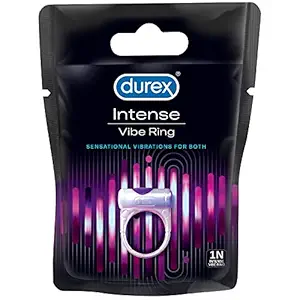
Durex Play Vibrating Ring
Ring for extra pleasure for women | Compatible with condoms & lubes
INTENSE VIBE RING: Play Vibrations provides up to 20 minutes of exhilarating sensations to give pure, pulsating pleasure for her and for him
How Women Experience Lust Differently Than Men
- Interconnectedness: For many women, lust is not separate from emotional closeness—it often thrives in environments of trust, safety, and intimacy.
- Slower Build-Up: Women may experience desire as more gradual compared to men’s often immediate arousal response.
- Holistic Experience: Female desire can involve physical, emotional, and psychological elements all at once, making it a fuller but sometimes more complex experience.
How Women Experience Love Differently Than Men
- Emotional Depth: Love is often experienced with a stronger emphasis on emotional intimacy, communication, and shared vulnerability.
- Security and Stability: Women frequently link love with safety and stability, which in turn can enhance desire.
- Integration with Sexuality: For women, love and sexual satisfaction are often mutually reinforcing. A strong emotional bond enhances lust, while satisfying sexual intimacy deepens love.
Why the Distinction Matters
Understanding the differences in how women experience lust and love can:
- Improve relationships, as partners learn to respect each other’s unique needs.
- Reduce shame, by breaking myths that women aren’t “supposed” to feel lust.
- Encourage open communication, making it easier for women to express both emotional and sexual desires.
FAQs on Lust vs. Love in Women
1. Do women feel lust as strongly as men?
Yes, women experience lust as strongly as men, but it is often influenced more by context, emotional connection, and timing.
2. Can women separate lust from love?
Some can, depending on the situation, but many women find that lust and love overlap and enhance each other.
3. Why do women sometimes lose desire in long-term relationships?
Desire can fade due to stress, routine, lack of novelty, or unresolved emotional issues. Emotional intimacy and effort to keep passion alive can reignite desire.
4. Are women more emotional in love than men?
Not necessarily more emotional, but women may prioritize emotional intimacy and communication in love more openly, influenced by both biology and cultural expectations.
5. Can lust turn into love?
Yes. Many relationships begin with lust that deepens into love over time as emotional bonds grow.
6. Why is female desire often misunderstood?
Historical neglect of female sexuality in science and medicine, along with cultural stereotypes, have led to misconceptions that women are less sexual than men.
Conclusion
Lust and love are not opposites—they are complementary forces that shape the way women experience desire. While men and women share common ground in sexuality, women’s desire often intertwines physical attraction with emotional intimacy in ways that challenge simple stereotypes.
By acknowledging the biological, psychological, and cultural aspects of female desire, we can break down outdated myths and celebrate the full spectrum of women’s experiences. In doing so, we move toward healthier, more fulfilling relationships—where both lust and love are equally valid and equally important.
Content
Read Community Guidelines