


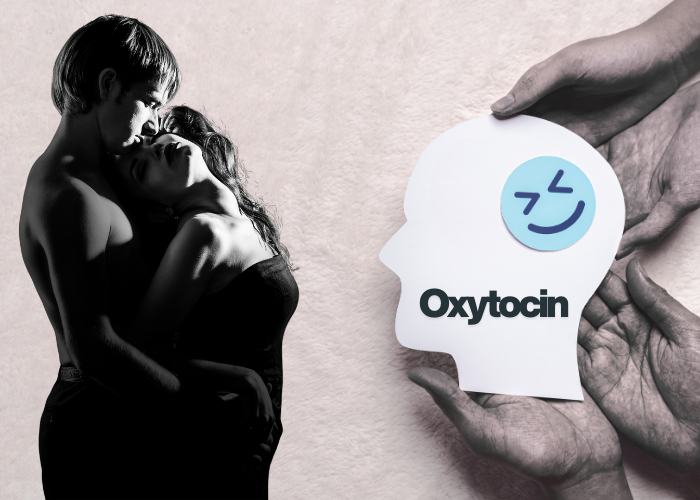
Oxytocin, popularly known as the “love hormone” or “bonding hormone,” plays a vital role in human relationships. Released by the brain during moments of intimacy such as sex, hugging, and cuddling, oxytocin builds connection, trust, and emotional bonding between partners.
Sex sparks one of the most significant oxytocin releases, helping to deepen couple intimacy and promote feelings of safety and happiness. Understanding oxytocin’s role in sex can shed light on how this remarkable hormone strengthens relationships—physically and emotionally.
What Is Oxytocin and Why Is It Called the “Love Hormone”?
Oxytocin is a hormone and neurotransmitter produced in the hypothalamus and released by the pituitary gland. While it regulates female reproductive functions like childbirth and lactation, its social impact is profound. Scientists call it the “love hormone” because levels rise during social bonding activities including sex, leading to enhanced feelings of attachment and affection.
Oxytocin and Sex: The Science of Connection
During sexual activity, oxytocin release increases dramatically. It peaks about 20 to 40 minutes after sex and remains elevated, fostering physical and emotional closeness. Oxytocin promotes:

- Emotional bonding and trust between partners
- Reduction of stress and anxiety levels
- Heightened feelings of pleasure and satisfaction
- Strengthening of long-term attachment
One study observed hormone synchrony between couples post-sex, suggesting a biological basis for the feelings of closeness and happiness partners experience after intimacy.

Real-Life Impact of Oxytocin in Relationships
Consider a couple who embraces hugging and affectionate touch regularly. The oxytocin released during such moments creates a sense of security and reduces conflicts, reinforcing their relationship. In another scenario, sexual activity combined with oxytocin surges can help couples rebuild trust and intimacy after difficult phases.
Quotes on Oxytocin and Its Power
“Oxytocin is nature’s glue that binds us together with love, trust, and understanding.”
“The deeper our oxytocin connection, the stronger our emotional bond and physical satisfaction.”
20 FAQs About Oxytocin, the Love Hormone & Sex
1. What triggers oxytocin release in the body?
Touch, hugging, kissing, sex, childbirth, and breastfeeding stimulate oxytocin release.
2. How does oxytocin affect sexual activity?
It enhances emotional bonding with a partner and intensifies feelings of pleasure and trust during sex.
3. Is oxytocin linked to orgasm?
Yes, oxytocin levels typically spike during orgasm, deepening emotional connection.
4. Can oxytocin improve relationship satisfaction?
Absolutely. Higher oxytocin levels are associated with increased relationship happiness and reduced conflict.
5. Does oxytocin affect men and women differently?
It can. Studies indicate variations in oxytocin’s social effects depending on sex and hormonal context.
6. Can oxytocin increase fidelity in relationships?
Research suggests oxytocin promotes partner bonding and may reduce interest in others.
7. How long do oxytocin levels stay elevated after sex?
Oxytocin remains high for about 20 to 40 minutes post-sex, promoting bonding during this period.
8. Does physical touch other than sex release oxytocin?
Yes, cuddling, holding hands, and massages also trigger oxytocin release.
9. Can oxytocin relieve stress?
Oxytocin reduces cortisol (stress hormone) levels, fostering calm and relaxation.
10. Does oxytocin influence trust between partners?
Yes, it enhances trust and empathy, crucial components for healthy relationships.
11. Is oxytocin available as a medication?
Synthetic oxytocin is used medically for labor induction but its therapeutic uses in relationship care are experimental.
12. What is the “love hormone” role in mother-infant bonding?
Oxytocin helps mothers bond emotionally with their babies during childbirth and breastfeeding.
13. Can oxytocin deficiency affect relationships?
Low oxytocin levels may contribute to difficulty in bonding and emotional connection.
14. Does sexual activity always increase oxytocin?
Generally yes, though individual hormonal responses can vary.
15. How can couples naturally boost oxytocin?
Physical affection, quality time, playful interaction, and intimate sex all help increase oxytocin.
16. Can oxytocin improve mental health?
Oxytocin reduces anxiety and promotes feelings of safety, positively impacting mental well-being.
17. Does oxytocin influence social behaviors outside of romantic relationships?
Yes, it also plays a role in friendship and social bonding.
18. Are there negative effects of too much oxytocin?
Excess oxytocin might cause emotional sensitivity or social anxiety in rare cases.
19. Can diet or exercise affect oxytocin levels?
Regular exercise, balanced diet, and social interactions can support healthy oxytocin production.
20. How important is oxytocin for long-term relationship success?
Very important, as it supports emotional connection and resilience through challenges in relationships.
Final Thoughts
Oxytocin—the famous “love hormone”—is essential for nurturing emotional and physical intimacy through sex and close connection. Understanding and valuing oxytocin’s role can inspire couples to cultivate affectionate, satisfying relationships that promote happiness and bonding.
Embrace the science of love: the path to a thriving relationship often begins with a simple touch, a loving embrace, or passionate intimacy powered by oxytocin.
Content
Read Community Guidelines