


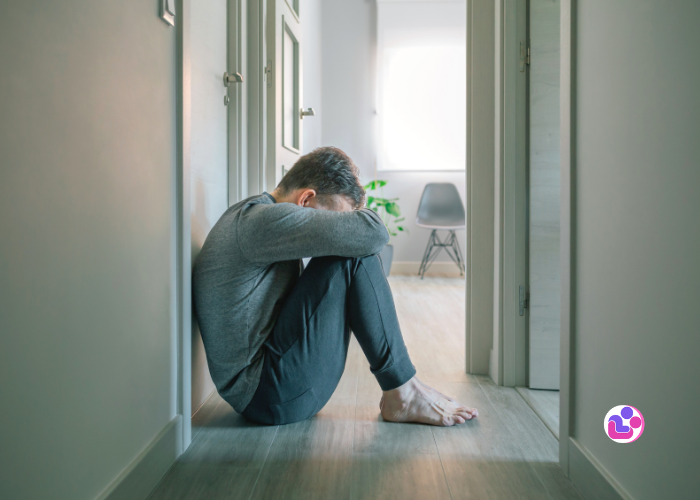
For generations, men have been taught to hide their emotions, suppress their tears, and present an image of unshakable strength. Cultural norms, family upbringing, and media portrayals often push the idea that “real men” should never show weakness. However, modern psychology and relationship science reveal a different truth: vulnerability is not weakness—it’s strength.
When men embrace vulnerability, they open doors to deeper intimacy, trust, and connection in both personal and professional relationships. In this article, we’ll explore why vulnerability matters for men, the barriers that stop them from expressing it, and how showing emotions can create stronger bonds with partners, friends, and even colleagues.
The Misconception of Male Vulnerability
From childhood, boys are often told phrases like “man up,” “don’t cry,” or “be tough.” These messages create emotional walls, teaching men that showing feelings is a flaw. Unfortunately, this emotional suppression leads to loneliness, stress, and shallow connections.
In reality, vulnerability means authenticity. It’s about being honest with your emotions, fears, and insecurities instead of hiding them. Far from being weak, it requires courage to open up.

Why Vulnerability Builds Stronger Bonds
- Encourages Deeper Emotional Intimacy
When men share their fears, hopes, or struggles with loved ones, it builds trust. Partners feel closer when they know the “real” person behind the strong exterior. - Strengthens Romantic Relationships
Vulnerability allows couples to communicate openly about needs, expectations, and challenges. This honesty deepens intimacy and reduces misunderstandings. - Creates Authentic Friendships
True friendships thrive on openness. By admitting struggles or asking for help, men create bonds that go beyond surface-level conversations. - Improves Mental Health
Bottling up emotions often leads to anxiety, depression, or anger issues. Expressing vulnerability can reduce stress and promote emotional well-being. - Builds Trust in Professional Spaces
In leadership, showing vulnerability—such as admitting mistakes or seeking advice—makes leaders relatable and trustworthy. It encourages teamwork and innovation.
Barriers That Prevent Men from Being Vulnerable
- Cultural Conditioning
Society often associates masculinity with toughness, discouraging men from expressing emotions. - Fear of Judgment
Many men worry they will be seen as weak, unmanly, or incapable if they reveal their true feelings. - Past Negative Experiences
If vulnerability was once met with ridicule or rejection, men may hesitate to open up again. - Relationship Dynamics
In some cases, men avoid vulnerability because they fear burdening their partner or appearing less attractive.
How Men Can Embrace Vulnerability
- Start Small
Practice sharing minor insecurities or feelings with a trusted friend or partner. Gradual openness builds confidence. - Challenge Old Beliefs
Replace “men shouldn’t cry” with “emotions make me human.” Changing internal narratives helps dismantle toxic masculinity. - Practice Active Listening
Being vulnerable also means giving others space to be vulnerable. Listening without judgment fosters mutual openness. - Seek Safe Spaces
Therapy, men’s groups, or supportive friendships create environments where men can share freely. - Accept Imperfections
Vulnerability involves embracing mistakes and flaws instead of striving for unrealistic perfection. - Communicate in Relationships
Instead of hiding stress or problems, men should express them honestly. Most partners appreciate openness over silence.
Real-Life Benefits of Male Vulnerability
- Stronger Marriages and Partnerships – Studies show that men who express emotions openly have healthier long-term relationships.
- Closer Friendships – Vulnerable conversations transform acquaintances into lifelong friends.
- Better Leadership – Leaders who admit challenges are often respected more than those who pretend to have all the answers.
- Personal Growth – Embracing vulnerability fosters resilience, empathy, and self-awareness.
FAQs About Men and Vulnerability
1. Why is vulnerability hard for men?
Cultural expectations, fear of judgment, and social conditioning often make men believe emotions equal weakness.
2. Does vulnerability make men less masculine?
No. Vulnerability is strength—it shows emotional intelligence and courage, which are attractive and respected traits.
3. Can showing vulnerability damage relationships?
Not if it’s expressed healthily. On the contrary, vulnerability usually strengthens relationships by increasing trust and understanding.
4. How can men practice vulnerability daily?
Start with small steps like sharing feelings, admitting mistakes, or expressing appreciation. Over time, this builds emotional openness.
5. Is therapy useful for men struggling with vulnerability?
Yes. Therapy provides a safe, nonjudgmental space where men can explore emotions and learn healthier communication patterns.
Conclusion
Vulnerability is not the opposite of masculinity—it’s an essential part of it. When men embrace their emotions and share their authentic selves, they create stronger, more meaningful bonds with loved ones, friends, and even colleagues. Far from being a weakness, vulnerability is a powerful tool that fosters trust, intimacy, and personal growth.
By challenging outdated stereotypes and learning to express emotions openly, men can not only improve their mental health but also build deeper, more fulfilling connections.
Content
Read Community Guidelines