


Testosterone is more than just a “male hormone.” It is the driving force behind physical strength, energy, libido, mental sharpness, and even emotional resilience. From puberty to old age, testosterone shapes men’s bodies and minds. But myths, half-truths, and marketing hype often cloud the real science.
In this comprehensive guide, we’ll dive into what testosterone truly is, how it works, theories around its role in evolution and psychology, symptoms of imbalance, and the most effective (and safe) ways to optimize it. Whether you’re a man curious about your health or simply someone exploring human biology, this guide will give you a clear roadmap.
What Is Testosterone?
Testosterone is a steroid hormone that belongs to the class of androgens (male sex hormones). It is primarily produced in the testes in men and in smaller amounts in the ovaries and adrenal glands in women.
It plays critical roles in:

- Development of male reproductive tissues
- Growth of muscle and bone mass
- Red blood cell production
- Sexual drive and function
- Emotional well-being and confidence
Testosterone is not exclusive to men — women also produce it, though in smaller quantities.

Theories About Testosterone
- Evolutionary Psychology Theory
- Testosterone has historically been linked to dominance, survival, and reproduction. Men with higher levels may have had evolutionary advantages in hunting, competition, and mate selection.
- Challenge Hypothesis
- Suggests testosterone levels rise in men when they face competition or challenges, fueling aggression or motivation depending on context.
- Dual Hormone Hypothesis
- Testosterone interacts with other hormones like cortisol (stress hormone). High T with high cortisol doesn’t always mean dominance; stress can suppress T’s effects.
- Life-Course Theory
- Testosterone naturally peaks in adolescence and early adulthood, then gradually declines with age, influencing how men experience vitality across life stages.
How Testosterone Works in the Body
- Production – Triggered by the hypothalamus and pituitary gland.
- Circulation – Travels through the blood, bound to proteins like SHBG (sex hormone-binding globulin).
- Action – Binds to androgen receptors in tissues, influencing gene expression and body functions.
Signs of Low Testosterone
- Decreased sex drive
- Fatigue and low energy
- Mood swings or depression
- Reduced muscle mass and strength
- Increased body fat
- Thinning hair or beard growth
- Difficulty concentrating
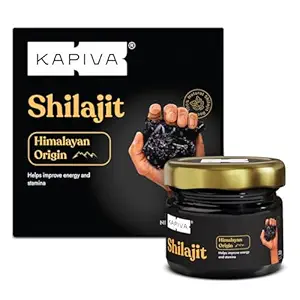
Kapiva Pure Himalayan Shilajit for Men
Resin 20g | 250mg/Serving | Energy, Stamina & Vitality Booster | 80 Servings | 100% Ayurvedic
Signs of High Testosterone
- Excessive body hair
- Acne and oily skin
- Aggressive behavior in some men
- Higher risk-taking tendencies
- Enlarged muscles but sometimes reduced fertility
Natural Testosterone Boosters
- Exercise – Strength training and HIIT workouts increase testosterone naturally.
- Sleep – 7–9 hours of quality sleep supports hormonal balance.
- Diet – Protein, healthy fats, and micronutrients like zinc and vitamin D are crucial.
- Stress Management – High cortisol lowers testosterone. Meditation, yoga, and deep breathing help.
- Weight Management – Obesity often reduces testosterone production.
Medical Treatments
- Testosterone Replacement Therapy (TRT)
- Includes injections, gels, patches, and pellets.
- Should only be used under medical supervision.
- Risks of TRT
- Acne, hair loss, fertility issues, heart risks if misused.
- Who Needs TRT?
- Men clinically diagnosed with hypogonadism (chronically low testosterone).
Testosterone & Mental Health
- Linked with confidence, motivation, and focus.
- Low levels correlate with depression and brain fog.
- Balanced levels support resilience and drive.
Testosterone Across Life Stages
- Adolescence: Drives puberty and sexual maturity.
- 20s: Peak levels, supporting energy, muscle, and performance.
- 30s–40s: Slight decline begins. Lifestyle plays a big role.
- 50s+: Andropause (male menopause) may cause noticeable symptoms.
Debunking Testosterone Myths
- Myth: Only older men suffer low testosterone → Younger men can too.
- Myth: High testosterone always makes men aggressive → Context matters.
- Myth: Supplements always work → Most lack scientific proof.
- Myth: TRT is a cure-all → It’s not; it must be medically supervised.
Lifestyle Habits to Protect Testosterone
- Avoid excessive alcohol and smoking.
- Keep body fat levels healthy.
- Stay sexually active (healthy sexual activity stimulates testosterone).
- Maintain strong social bonds (loneliness and isolation can lower T).
Conclusion
Testosterone is more than a hormone — it is a foundation of vitality, confidence, and health for men. Misunderstood by many and exploited by marketing, its real role lies in balance, not extremes. By adopting healthy lifestyle habits, staying aware of symptoms, and seeking professional guidance when necessary, men can protect and optimize testosterone naturally and safely.
A strong body, sharp mind, and fulfilling life all start with understanding this powerful hormone.
Kapiva Pure Himalayan Shilajit for Men
Resin 20g | 250mg/Serving | Energy, Stamina & Vitality Booster | 80 Servings | 100% Ayurvedic
Testosterone FAQs
1. What is a normal testosterone level for men?
2. Can women suffer from low testosterone?
3. Does frequent sex increase testosterone?
4. Do endurance athletes have lower testosterone?
5. How does obesity affect testosterone?
6. Can stress permanently lower testosterone?
7. Does testosterone decline every year after 30?
8. Do vegans have lower testosterone levels?
9. Can testosterone therapy cause infertility?
10. What’s the best diet for testosterone?
11. Is alcohol harmful to testosterone?
12. Do sleep disorders affect testosterone?
13. Is baldness linked to testosterone?
14. Can meditation increase testosterone?
15. Does testosterone improve confidence?
16. How do anabolic steroids differ from TRT?
17. Is testosterone linked to longevity?
Content
Read Community Guidelines